Exploring the cultural significance of casinos in modern society
The Historical Evolution of Casinos
Casinos have long been a part of human culture, originating from ancient civilizations that engaged in gambling activities. The practice of wagering has evolved significantly, transitioning from informal gatherings to structured establishments where games of chance are played. Early gambling houses in Italy laid the foundation for modern casinos, reflecting society’s evolving relationship with risk and reward. Nowadays, platforms like casino11winner.com/app bring these experiences into a digital realm, making gaming more accessible.

Throughout the centuries, casinos have transformed into cultural landmarks that offer entertainment and social interaction. Their historical significance can be observed in the way they have influenced local economies, tourism, and even legislation, mirroring changes in societal norms and values. This evolution underscores the complexity of gambling as both a recreational activity and a cultural phenomenon.
Casinos as Social Hubs
In contemporary society, casinos serve as vital social hubs that foster interaction and community engagement. They attract diverse groups of people, providing a space for socializing, networking, and celebrating significant life events. From birthday parties to corporate gatherings, casinos have become venues that bring individuals together, reinforcing social bonds and creating shared experiences.
The ambiance of a casino, characterized by vibrant lights and lively sounds, contributes to a unique atmosphere that encourages social interaction. This dynamic environment not only enhances entertainment but also plays a role in shaping cultural narratives around leisure and play in modern society. As people gather in these spaces, they contribute to a shared cultural experience that transcends individual backgrounds, highlighting the allure of the 11 Winner App.
The Psychological Impact of Gambling
The psychological aspects of gambling cannot be overlooked when discussing the cultural significance of casinos. For many, the thrill of winning and the anticipation of playing can elicit powerful emotions. This rollercoaster of feelings can lead to deep-rooted social behaviors, such as forming friendships over shared gaming experiences or seeking solace in a game during difficult times.
Conversely, gambling can also lead to adverse psychological effects, highlighting the fine line between enjoyment and addiction. As society grapples with the implications of gambling, it becomes essential to consider how these emotional responses influence cultural perceptions. The duality of gambling—its potential for joy and risk—reflects broader societal themes of chance, control, and fate.
Casinos and the Economy
Casinos are not merely entertainment venues; they are significant economic drivers in many regions. They generate substantial revenue through gaming and associated services, contributing to job creation and local economies. The financial impact of casinos extends beyond their operations, influencing tourism and hospitality sectors, thus integrating them into the broader economic landscape.
However, the economic implications of casinos are complex. While they can stimulate growth, they may also exacerbate social issues such as gambling addiction and crime. Balancing these effects requires thoughtful regulation and community engagement, emphasizing the importance of understanding casinos not just as businesses, but as integral components of societal fabric.
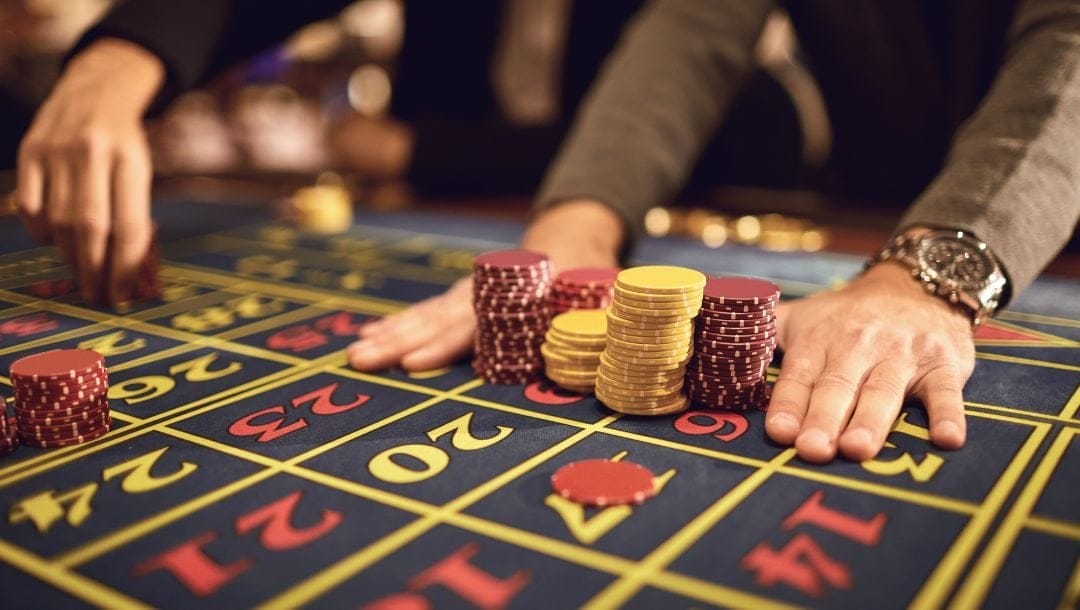
Discovering Excitement with 11 Winner App
The 11 Winner App exemplifies the modern approach to gaming, merging traditional casino experiences with the convenience of digital platforms. With a diverse array of games including poker and fantasy sports, it enhances the gaming experience while ensuring players enjoy a safe environment. This digital evolution reflects a shift in how casinos interact with society, adapting to changing consumer preferences.
By offering seamless gameplay and engaging tournaments, the 11 Winner App showcases the cultural significance of casinos in a contemporary context. It highlights the integration of technology in leisure activities, allowing users to connect and compete from the comfort of their homes. This shift represents a new chapter in the cultural narrative of casinos, bridging the gap between tradition and innovation.